
Cultural equity is earned over time
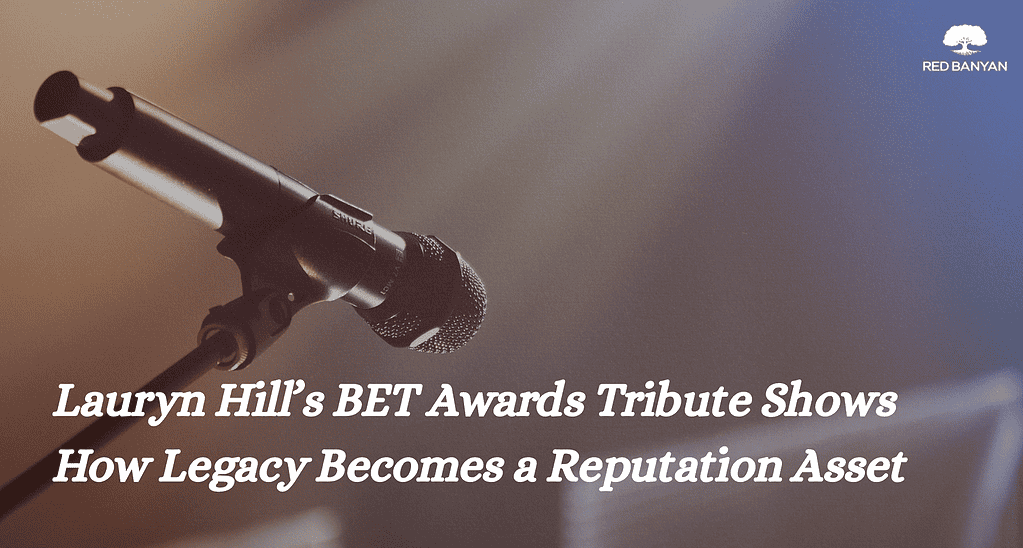
Lauryn Hill’s recognition at the 2026 BET Awards placed a larger reputation back in the spotlight: legacy can become one of the most powerful reputation assets a public figure has.
Hill was honored as the inaugural recipient of BET’s Living Legend Icon Award, a distinction that reflected the depth and durability of her cultural influence. Ice Cube introduced the moment by recognizing her place among the defining voices in Black music. The Lauryn Hill BET Awards tribute that followed brought together major artists including Doja Cat, SZA, Doechii, Nas, Queen Latifah, Common, Tems, Tierra Whack, Lizzo and Rapsody, each helping revisit the music and message that made Hill a generational force.
The performances moved through songs connected to Hill’s extraordinary career, from her work with the Fugees to the landmark tracks that made The Miseducation of Lauryn Hill one of the most important albums of its era. Hill’s own surprise performance of “Ex-Factor” added emotional weight to the night and reminded viewers why her work still resonates decades later.
That staying power is not accidental. It is the result of cultural equity built through authenticity, emotional connection and a body of work that people continue to value. It also shows why Lauryn Hill’s legacy remains a meaningful example of how cultural influence shapes public perception.
Legacy is built on meaning, not constant visibility
Hill’s reputation has never depended on constant public exposure. In fact, part of what makes her influence so unusual is that it has endured without the nonstop visibility that now defines much of celebrity culture.
Her work continues to matter because it said something real when it arrived and still speaks to audiences today. Hill’s influence extends across music, fashion, identity, artistic independence and the way generations of performers think about truth-telling. She became associated with substance, not simply success.
That distinction matters for anyone concerned with reputation management strategy. Attention can be manufactured. Visibility can be purchased. Headlines can be generated. But personal brand legacy requires something deeper. It requires the public to believe that the work, the message or the mission mattered.
For Hill, that belief has survived across generations. New artists still reference her. Fans still return to her music. Cultural commentators still place her work in conversations about artistry, representation and authenticity. That is what reputational equity looks like when it compounds over time.
Goodwill gives people a reason to listen
In public relations, reputation is often discussed after something has gone wrong. That approach is backward. Strong reputations are built long before they are tested.
Every performance, statement, creative choice and public interaction contributes to the public’s understanding of who someone is. Over time, those moments form a pattern. When the pattern is strong, it creates audience goodwill. That goodwill can be incredibly valuable when criticism appears.
A strong reputation gives people a reason to pause before judging. It creates context around negative headlines. It makes audiences more willing to consider nuance. It can separate one difficult moment from the totality of a career. This is why reputational equity helps during negative press and why leaders should build trust before a crisis.
Hill’s BET recognition showed the strength of that reservoir. The room was not responding only to old hits. It was responding to decades of meaning, influence and emotional investment. That kind of public affirmation is a major reputation asset.
Goodwill does not eliminate accountability
Hill’s career also shows the limits of reputational equity.
Her public image has faced scrutiny over late performances, canceled shows and disputes connected to touring. Those issues remain relevant because they show that even deep admiration has boundaries. Fans can respect the artistry and still be frustrated by the experience. Audiences can honor the legacy and still expect reliability. Supporters can believe in the larger body of work and still want clearer communication when things go wrong.
This is where leaders, brands and public figures often miscalculate. They assume past achievement will protect them from present criticism. It may help, but it will not erase the problem.
Goodwill can soften criticism. It can create patience. It can give someone room to explain. But it cannot replace public figure accountability. It cannot make poor communication harmless. It cannot make repeated frustration disappear.
Legacy gives people a reason to care. Accountability gives them a reason to keep trusting.
Authenticity creates the bond, consistency protects it
Hill’s remarks at BET reinforced why her connection with audiences remains powerful. She spoke about representation, dignity, saying difficult things and fighting for the people who have supported her. Those themes have always been central to her public identity.
That emotional bond is part of her lasting reputation. People do not remember Hill only because of what she made. They remember what her work meant to them. This is the role of authenticity in reputation management. It creates a connection that can last far beyond a single album, event or news cycle.
But audiences experience reputation through action. They notice whether someone shows up. They notice whether expectations are met. They notice whether explanations are clear. They notice whether a public figure appears to understand the frustration of the people who invested time, money and trust.
Authenticity builds connection, but consistency protects that connection. Without consistency, even loyal supporters can become impatient. Without communication, confusion can become criticism. Without accountability, admiration can become strained.
That lesson applies far beyond entertainment.
Leaders and brands should build trust before they need it
For CEOs, founders, companies, institutions and public figures, the message is direct: build trust before the pressure arrives.
Do not wait for controversy to define what the public should believe. Do not assume that past success, a strong product or an impressive resume will automatically carry the day when media scrutiny begins. Reputation is shaped by patterns, and those patterns are created every day.
Strong reputations are built through disciplined communication, reliable behavior and a clear understanding of stakeholder expectations. Leaders must know what they stand for before critics define them. Brands must communicate their values before they are challenged. Public figures must understand that every appearance, absence, statement and silence can shape perception.
Reputation is not a press release, crisis statement or slogan. It is the sum total of what people believe based on what they have seen, heard and experienced over time. That is why brand trust, reputation resilience and long-term trust must be treated as business priorities, not afterthoughts.
Legacy is reputation insurance, not a permanent shield
Lauryn Hill’s BET Awards tribute celebrated an artist whose impact is undeniable. Her influence has endured because it is rooted in authenticity, courage and emotional truth.
The reputation lesson is equally clear. Legacy can provide protection, but it must be maintained. A strong reputation can create patience, but not endless forgiveness. It can provide context, but not a blank check. It can help a public figure weather criticism, but it cannot excuse every misstep.
In today’s media environment, perception moves quickly and memory is long. Every decision can strengthen a reputation or weaken it. Every moment in the spotlight can reinforce trust or raise new questions.
The leaders, brands and public figures that understand this will treat reputation as a daily discipline. They will build credibility before a crisis. They will communicate before confusion takes hold. They will protect credibility by recognizing that the strongest defense in a reputational storm is trust already earned.
Lauryn Hill’s tribute offered a powerful reminder: legacy becomes valuable when people believe the work mattered. Reputation becomes durable when that belief is reinforced over time.
For leaders, brands and public figures, this is where strategic PR and crisis PR agencies like Red Banyan matter: they help build credibility before scrutiny arrives, protect trust when pressure hits and ensure reputation is managed as a long-term asset rather than a last-minute response.
Contact us now or schedule a free confidential consultation.