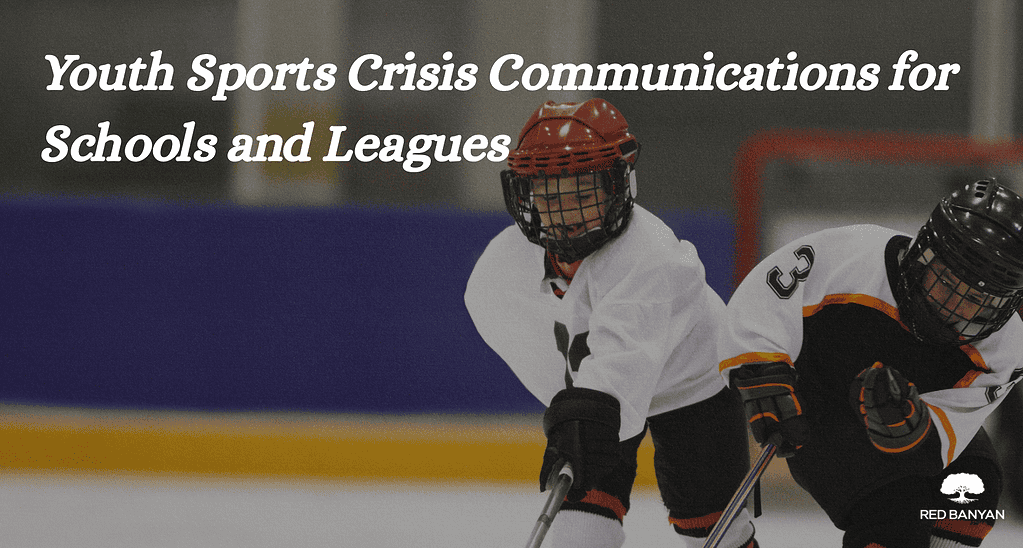

Youth sports should give kids structure, teamwork, and a healthy competitive outlet. Yet anyone who spends a few minutes on Instagram, X, or TikTok can see how often games spiral into something else entirely. Search phrases like “high school football fight,” “youth hockey brawl,” or “parents arguing with referee,” and you will find a steady stream of clips filmed from the stands and shared far beyond the local community.
Once a video circulates, the situation moves quickly. Reporters call athletic directors. Parents post commentary. Names appear online. What began as a heated exchange at a basketball game can turn into a social media backlash for a school district or youth league within hours.
In this environment, crisis communications in youth sports requires preparation, steady leadership, and a clear plan.
Why Youth Sports Incidents Escalate So Quickly
The virality of youth sports incidents is easy to explain. Every spectator carries a recording device. Social platforms reward dramatic footage. Local incidents now attract national commentary, often stripped of context.
That combination places schools, coaches, referees, and families under intense scrutiny. A single altercation at a high school football game or youth hockey tournament can trigger legal exposure, disciplinary reviews, and long-term reputational harm.
For student athletes, the stakes feel even higher. Young people who have not yet applied to college or entered the workforce may find their names circulating online because of a moment captured on video. Schools and leagues have a responsibility to respond with care and discipline.
Who Is Most at Risk During a Youth Sports Crisis
A youth sports crisis affects more than the individuals directly involved.
- Student athletes face potential long-term digital footprints tied to incidents they may not fully control.
- Parents can encounter legal consequences, bans from facilities, or employer scrutiny after viral confrontations.
- Coaches and officials may experience harassment or public attacks on their credibility.
- Schools and leagues risk sponsor concerns, declining enrollment, and public criticism of leadership.
Each audience requires thoughtful communication. A rushed or emotional statement can widen the fallout.
What to Do When a Youth Sports Crisis Breaks
When a fight erupts at a high school basketball game or a confrontation unfolds at a youth soccer match, leadership should move deliberately.
- Address safety and follow established protocols with law enforcement or governing bodies.
- Coordinate immediately with legal counsel.
- Designate a single spokesperson to handle media inquiries.
- Monitor social platforms for misinformation and emerging narratives.
- Engage experienced crisis communications advisors.
Organizations that already have a written crisis plan respond with greater clarity. Those that improvise often struggle to regain control of the narrative.
Firms such as Red Banyan work with schools, athletic programs, and sports organizations facing reputational threats tied to viral video, high school sports controversies, and parent misconduct. Crisis-focused advisors differ from traditional PR agencies because they concentrate on risk mitigation, media management, and long-term reputation protection rather than publicity.
Building a Youth Sports Crisis Plan Before You Need One
Preparation reduces panic. A strong youth sports crisis communications plan should include:
- A published spectator code of conduct
- Pre-season communication to parents about behavioral expectations
- Clear disciplinary procedures
- Defined roles for leadership, legal counsel, and communications advisors
- A media response framework tailored to incidents involving minors
Internal resources, such as guidance on who should be on your crisis PR team, and a defined reputation management strategy help organizations respond consistently and responsibly.
When leadership knows who to call and what to say, they protect both students and institutions more effectively.
Frequently Asked Questions About Youth Sports Crisis Communications
Who should you call after a fight at a high school sports game?
Start with safety. Contact local authorities if necessary and follow school or league protocols. Immediately notify senior leadership and legal counsel so they can assess liability and compliance obligations. At the same time, engage a crisis communications advisor who understands how youth sports incidents unfold in the media. Early guidance shapes messaging, protects student privacy, and reduces the risk of statements that could complicate legal exposure.
Are there firms that specialize in youth sports crisis management?
Yes. Some crisis communications firms, such as Red Banyan, focus on high-stakes reputational situations involving schools, athletic programs, and sports organizations. These firms understand how viral video spreads, how reporters frame stories involving minors, and how to balance transparency with privacy protections. Their role centers on stabilizing the situation, guiding leadership through media scrutiny, and developing a long-term reputation recovery plan when necessary.
How do you handle negative media coverage after a sporting event?
- Respond with verified information and avoid speculation.
- Confirm that leadership is aware of the incident and reviewing it in accordance with policy.
- Emphasize student safety and due process.
- Decline to share identifying information about minors.
- Maintain consistent messaging across press statements, social media, and direct communications with families.
Can a viral youth sports incident affect college admissions or employment?
It can. Online coverage often remains searchable for years, and admissions officers or employers may encounter media reports or widely shared video clips. While context matters, the digital footprint can influence perception. That reality underscores why schools and leagues must respond quickly and thoughtfully, with special care given to protecting minors from unnecessary public exposure.
Why keep a crisis communications firm on speed dial?
Time shapes outcomes. When an incident spreads across social media, organizations have little room for hesitation. Established relationships with crisis advisors allow leadership to act immediately, align messaging with legal strategy, and manage media inquiries without confusion. Preparation reduces risk, protects students, and helps institutions maintain trust within their communities.
Youth sports will always carry emotion and intensity. Today’s digital landscape amplifies those moments in ways that demand careful communication. Schools and leagues that treat crisis planning as a core responsibility place themselves in a stronger position to protect students, families, and their broader community.
If your organization needs guidance on youth sports crisis communications or wants to build a proactive plan before the next incident occurs, contact Red Banyan or schedule a free consultation with one of our crisis management experts.