
From NFL Greatness to Legal Infamy
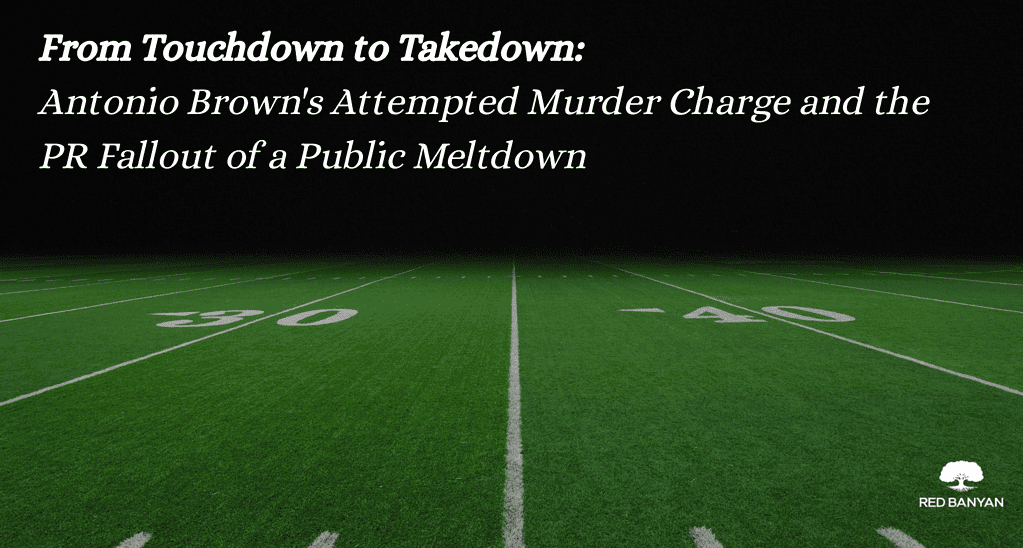
Antonio Brown’s name once evoked images of acrobatic catches and record-breaking plays. Now, it’s synonymous with scandal. The former Super Bowl champion is facing attempted murder charges after allegedly grabbing a security guard’s gun and firing shots during a confrontation outside a celebrity boxing event in Miami. With conflicting accounts and no weapon recovered, the case is legally murky, but in the court of public opinion, the damage is swift and far-reaching. Brown’s controversial behavior has long overshadowed his talent. From a celebrated NFL player to the subject of media backlash, Brown has seen his public image erode amid domestic violence accusations, unpaid debts, and erratic social media behavior. Each episode added fuel to the narrative of a once-great athlete succumbing to personal demons.A Crisis Without Control
This latest development is more than a legal issue, it’s a celebrity PR disaster. Brown’s public implosion is a textbook example of what happens when public figures ignore crisis communication strategies. His team, if one still exists, has failed to contain the fallout or offer any meaningful public engagement. Instead, inflammatory social posts and radio silence have let others shape the narrative. In the digital age, reputation damage control is a non-negotiable necessity. Failing to offer transparency or clarity during a crisis leaves the media and public to fill in the blanks, often with the worst possible assumptions. This pattern of missteps is not just damaging, it’s catastrophic for anyone in the spotlight, particularly professional athletes facing legal trouble.Reputation at a Breaking Point
For celebrities, brand and image are everything. Brown’s continued fall from grace underscores the importance of celebrity crisis management. Without a defined plan to handle scandals, even the most iconic sports figures can watch their reputations disintegrate under the weight of bad press and unchecked rumor. Crisis PR experts consistently warn that a botched or non-existent response to legal and public controversies only exacerbates the situation. In Brown’s case, the absence of media engagement or message discipline has turned what could have been a manageable controversy into a defining moment of public meltdown.The Path to Redemption Starts Now
To salvage anything from this crisis, Brown must act immediately. The first step is to centralize his legal and PR strategy, ensuring consistent and carefully vetted messaging. Mixed signals or rogue Instagram posts are no longer harmless, they are potential liabilities. Brown should designate a seasoned spokesperson to address the media. At this point, managing legal crises in the public eye requires a trusted voice, not more erratic tweets. If the charges are baseless, show evidence. If they’re legitimate, take responsibility. Public contrition, personal reform, and structured public engagement are essential. Whether through therapy, community service, or a clearly communicated plan for change, recovering from scandal as a public figure demands action, not just words. Antonio Brown’s fall is a stark lesson in the importance of crisis PR response for professional athletes. In a world where every misstep is amplified and every silence interpreted, celebrity crisis management is as essential as any playbook used on the field. Brown’s legal case may take time to resolve, but his public perception is already circling the drain. Without a swift and professional course correction, his legacy won’t be measured in Super Bowl rings, it will be remembered as a cautionary tale of what happens when fame meets failure without a plan. This isn’t just a scandal, it’s a signal to every sports figure and celebrity: You don’t just need talent to stay on top, you need a strategy to survive the fall. In today’s unforgiving digital climate, partnering with experienced crisis PR firms like Red Banyan® is essential for public figures and brands navigating high-stakes moments and managing reputational fallout.Frequently Asked Questions
Antonio Brown is facing attempted murder charges after allegedly grabbing a security guard's gun and firing shots during a confrontation outside a celebrity boxing event in Miami.
Brown's case is a PR disaster because his team has failed to contain the fallout or offer meaningful public engagement, instead allowing inflammatory social posts and radio silence to let others shape the narrative with the worst possible assumptions.
Brown has failed to centralize his legal and PR strategy, has not designated a spokesperson to address the media, and has continued erratic social media behavior instead of offering transparency or clarity during the crisis.
Brown's reputation has eroded from a celebrated NFL player and Super Bowl champion to being synonymous with scandal, overshadowed by domestic violence accusations, unpaid debts, erratic social media behavior, and now attempted murder charges.
Brown must immediately centralize his legal and PR strategy, designate a seasoned spokesperson, provide evidence if charges are baseless or take responsibility if legitimate, and demonstrate public contrition through therapy, community service, or a clearly communicated plan for change.
In today's digital climate, every misstep is amplified and every silence interpreted, making crisis PR response essential for professional athletes to manage legal crises in the public eye and protect their reputation and legacy.
Red Banyan® emphasizes that public figures need consistent and carefully vetted messaging, trusted spokespeople, transparency, and structured public engagement rather than mixed signals or rogue social media posts that become potential liabilities.