
In a world where public perception can shape careers and determine success, the role of a Reputationist has never been more crucial. But what does this term really mean, and why is it important for both individuals and organizations in the 21st century?
A Reputationist is an expert dedicated to building and protecting the reputations of their clients, ensuring they navigate the complexities of public relations, media dynamics, and digital narratives with finesse.
The term Reputationist was coined by Evan Nierman himself, who not only created this unique moniker but also embodies it through his work. As the founder and CEO of global PR firm Red Banyan, Evan has spent over 25 years helping individuals and organ izations manage their public reputation through his work in high-stake and rapid response communications.
With a reputation built on transforming crisis situations into opportunities, his expertise has made him a go-to figure for businesses and public figures who need to protect their names in an increasingly unforgiving digital world.
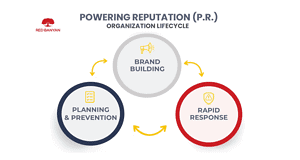
With his team at Red Banyan, Evan has pioneered a wholly reimagined approach to PR that boldly redefines the term itself. In his view, PR should not be shorthand for “public relations;” it should stand for Powering Reputation. As such, Red Banyan became the first agency to integrate Brand Building, Crisis Prevention & Planning, and Rapid Response into one cohesive system that seamlessly powers reputations of our clients.
Quick Links:
What is a Reputationist?
The Reputationist’s Role in Cancel Culture: Managing Public Perception in a Crisis
Evan Nierman: The Reputationist with 25 Years of Expertise
The Reputationist’s Guide to Overcoming the Cancel Culture Curse
The Reputationist’s Secret to Proactive Reputation Building
The Reputationist’s Vital Role in a Changing Digital Landscape
AI and Reputation Management: Navigating a New Era
Why Every Organization Needs a Reputationist
Q&A: All About The Reputationist
What is a Reputationist?
A Reputationist is more than just a public relations professional—it’s a title that signifies someone who is an expert in the intricate world of reputation management. A Reputationist doesn’t just manage media appearances or press releases—he/she works proactively to shape how individuals and organizations are perceived in the public eye.
The term Reputationist defines someone who is a master at navigating the complexities of reputation building and crisis communication. It’s a title that reflects the understanding of how essential a well-crafted public image is in today’s hyper-connected world. In a time when reputations can be destroyed by a single viral incident, the Reputationist works to maintain, repair, and enhance public perception across all platforms. This role requires not only traditional media expertise but also a deep understanding of how social media, influencers, and online mobs can shape, break, or elevate a reputation overnight.
The Reputationist’s Role in Cancel Culture: Managing Public Perception in a Crisis
One of the most significant challenges facing Reputationists like Evan and his team members is the phenomenon of cancel culture. This digital-age trend has made it easier than ever for individuals and companies to fall from grace based on a single mistake or misstep. The speed at which reputations can be damaged is unprecedented, as viral moments, often fueled by misinformation, can lead to backlash and public outcry from which it is very hard to recover.
As Evan Nierman explains in his Amazon best selling book The Cancel Culture Curse, cancel culture operates swiftly and destructively. It’s a system where people and businesses are judged, convicted, and condemned in the court of public opinion, with little to no chance for defense. This reality presents a daunting challenge for the Reputationist, whose task is not only to manage damage but also to navigate the complex, unpredictable nature of modern public relations.
A notable example in The Cancel Culture Curse is Lisa Alexander, a public figure who faced significant backlash after a viral video was purported to capture her engaging in a racially charged incident when she was actually trying to be a good neighbor.
The online uproar that followed had the potential to destroy her personal and professional reputation, with accusations circulating on social media and in the press. In this situation, a Reputationist would have been essential in managing her crisis—ensuring that the true story was told, addressing the allegations, and ultimately working to immediately begin rebuilding her image in the eyes of the public. A Reputationist plays a crucial role in controlling the narrative during such moments, ensuring that reputations are defended, even in the face of unfair or exaggerated claims.
Evan Nierman: The Reputationist with 25 Years of Expertise
Evan Nierman’s career is a testament to the power of expert reputation management. Over the past 25 years, he has worked with high-profile clients across various industries, helping them to not only recover from crises but also to build a resilient public image that can withstand the pressures of cancel culture. His approach is also embodied by his capable team of rapid response communications professionals at the firm Red Banyan.
Evan Nierman is the consummate Reputationist. This unique moniker reflects his ability to navigate both the long-term strategies for reputation building and the quick-response crisis management needed to protect individuals and organizations in an era where reputations are fragile. As a long-time and respected thought leader in crisis communications, Evan has played a pivotal role in helping clients craft strategic responses that not only address the immediate issue but also allow them to emerge stronger. Whether it’s managing the fallout from a controversial statement or safeguarding a company’s reputation after a public relations blunder, Evan’s approach has always been rooted in authenticity and strategic foresight.
Through his work at Red Banyan, he has become a go-to figure for navigating reputational risks and crises. His unique experience gives him a nuanced understanding of both the power and danger of public perception, which is at the heart of his identity as The Reputationist.
The Reputationist’s Guide to Overcoming the Cancel Culture Curse
The advent of cancel culture has reshaped the landscape of public relations. In a world where a social media post can spark a firestorm of controversy, reputations are increasingly vulnerable. The digital age has given rise to a new kind of PR battle—one that is fast, relentless, and often unforgiving.
In his book The Cancel Culture Curse, Evan Nierman details how quickly reputations can be upended, especially when false or exaggerated narratives take hold. In the bestseller, he explores how businesses and public figures can learn from these experiences, shifting the narrative from one of victimhood to one of redemption. The key, according to Nierman, often lies in how effectively a Reputationist manages the inevitable crises that will impact every organization and individual.
In the case of public figures like Amy Schumer, whose comments about the Israeli-Palestinian conflict sparked widespread backlash, he praised how she defended her stance with clarity and facts, even in the face of extreme criticism and vitriol. This approach of “pressing the truth” not only helps preserve the reputation, but also maintains the individual’s integrity amidst the chaos.
The Reputationist’s Secret to Proactive Reputation Building
While crisis management is a vital part of a Reputationist’s work, proactive reputation building is equally important. Reputationists like Evan Nierman understand that the best defense against a PR disaster is a solid, well-maintained public image that reflects the true values and mission of the individual or company.
At Red Banyan, Evan and his team focus on building reputations that are based on trust, transparency, and authenticity. Through strategic media outreach, content creation, and influencer partnerships, they help clients establish a positive, resilient presence in the marketplace. The goal is to ensure that when a crisis does arise, there is a foundation of goodwill and credibility to fall back upon.
A Reputationist’s work goes beyond merely reacting to crises; it’s about laying the groundwork for success by shaping a strong, authentic reputation online and offline that can weather any storm.
The Reputationist’s Vital Role in a Changing Digital Landscape
As search engine traffic continues to fall and AI platforms increasingly take center stage in how people seek and find information, the role of a Reputationist becomes even more critical. In an age where Google’s algorithm is no longer the sole gatekeeper of digital information, users are turning to AI-driven platforms like ChatGPT, Gemini, Perplexity, Grok, and other conversational agents to get answers. These AI- powered platforms prioritize delivering direct, concise, and contextually relevant information, often from a curated selection of trusted sources.
For businesses and individuals trying to protect or build their reputations, this shift presents new challenges. Traditional SEO and content marketing strategies, once relied upon to influence search results, are now facing greater competition from AI platforms that aggregate data in ways that can either positively or negatively impact reputations. In a world where AI can rapidly retrieve and distribute information, a Reputationist plays a crucial role in ensuring that the correct narrative is amplified—particularly in the moments when reputations are on the line.
AI and Reputation Management: Navigating a New Era
In this AI-driven world, where users increasingly seek information from digital assistants rather than search engines, a Reputationist must go beyond the basics of media relations. Instead, he/she needs to focus on crafting and maintaining an online presence that is optimized for how AI algorithms process and retrieve data. AI platforms are powered by vast datasets, and they often prioritize content from authoritative, reputable sources—making it essential for businesses and individuals to ensure their narratives are portrayed in the most accurate and trustworthy light using traditional public relations tactics.
A Reputationist helps clients optimize their digital footprints, ensuring that their story is reflected across a variety of platforms, including social media, news outlets, and increasingly within AI-driven channels. In this new environment, where AI-driven tools curate responses based on relevance, credibility, and trustworthiness, a Reputationist is the expert who ensures that their client’s reputation is front and center in the conversations that matter most.
Why Every Organization Needs a Reputationist
In today’s fast-paced, interconnected world, where reputations can be made or broken in an instant, the role of the Reputationist is more vital than ever. Whether defending against the wrath of cancel culture or proactively building a brand that resonates with authenticity and trust, the Reputationist plays a key role in navigating the complexities of modern public perception.
Red Banyan Founder Evan Nierman, with his 25 years of experience, is a true master in this field. His work shows that the role of the Reputationist is not just about managing crises—it’s about proactively creating a narrative that stands the test of time. In a world that demands transparency and authenticity, Evan’s approach offers a roadmap for how individuals and organizations can protect their reputations, rise above controversy, and continue to thrive in an era defined by public scrutiny.
As we move further into the digital age, one thing is clear: reputation is everything. And in the battle to protect it, The Reputationist is the expert you want on your side.
To learn more about what Evan Nierman and the Red Banyan team can do for your reputation, contact us today or schedule your free consultation with one of our reputationists.
Q&A: All About The Reputationist
What is a Reputationist?
A Reputationist is a professional expert specializing in reputation management. The term was coined by Evan Nierman, founder of Red Banyan, to describe someone who builds, protects, and repairs public reputations, both online and offline. A Reputationist focuses on creating and maintaining positive public perceptions while managing crises, especially in the face of modern challenges.
How does a Reputationist help individuals or businesses?
A Reputationist helps individuals and businesses navigate the complexities of public perception by crafting strategies to build strong reputations and protect them from damage. This involves powering their reputation through planning and prevention and brand building was also having a rapid response team at the ready. A Reputationist proactive engages in media outreach, working through social media and digital platforms to maintain and strengthen a positive image. For businesses, this can mean protecting their brand reputation, while for individuals it often involves safeguarding personal reputation.
How did Evan Nierman come to be known as The Reputationist?
Evan Nierman came to be known as The Reputationist owing to unique approach to managing public perception and crisis communication. With over 25 years of experience in public relations and crisis management, Evan recognized the need for a specialized role that goes beyond traditional PR to actively protect and shape reputations in the digital era. Today, Evan’s work at Red Banyan embodies the very essence of this title.
What makes The Reputationist different from other public relations professionals?
Unlike traditional PR professionals who usually focus on media relations and publicity, a Reputationist specializes in managing and protecting the long-term image of individuals and organizations. This involves not just media outreach, but also navigating complex digital challenges, such as cancel culture, online reputation repair, and crisis management, which require a more nuanced approach. The Reputationist at the helm of Red Banyan also ensures that his team is skilled in the use of AI reputation management and understand how to show up in AI search results.
How does someone become a Reputationist?
Becoming a Reputationist requires a combination of traditional public relations skills, digital media expertise, AI utilization, and a deep understanding of modern reputation management challenges, such as social media and cancel culture. Professionals looking to specialize in reputation management can look to Red Banyan as industry leaders when it comes to the evolving landscape of digital branding and powering reputation.
What’s the difference between a publicist and a reputationist?
A publicist focuses primarily on public relations and media outreach, aiming to get their client in the press, promote their brand, or manage a media campaign. Publicists are typically proactive in creating visibility and generating positive media attention. Their work revolves around image enhancement, press releases, media engagements, and promotional activities.
On the other hand, a reputationist is someone who takes a more holistic and strategic approach to reputation management. A reputationist doesn’t just generate media coverage but actively works to shape, protect, and repair the public perception of their client — especially in the face of a crisis. They specialize in navigating complex public relations challenges, such as reputation recovery, handling negative publicity, and dealing with situations that could permanently harm the client’s image, like a legal battle or social media controversy.
While a publicist’s goal is to promote, a reputationist’s goal is to preserve, restore, and strengthen the reputation of a client over time, often preventing reputational damage before it happens and managing it effectively when it does.