Blog Category

Social Media

Social media plays a central role in how organizations communicate, build visibility, manage reputation, and respond to public scrutiny. At Red Banyan®, we examine how strategic social media management, audience engagement, crisis response, and consistent messaging can help organizations communicate effectively across fast-moving digital platforms.

Two years ago, Alix Earle faced a controversy with the
GTA 6 Turned Years of Delay Into Brand Equity For
In 2026, social media is no longer just a marketing
Super Bowl halftime controversy reflects America’s culture wars The Super
How Awards Night Became a Masterclass in Narrative Control, Symbolism,
A joke on the jumbotron became a global takedown At
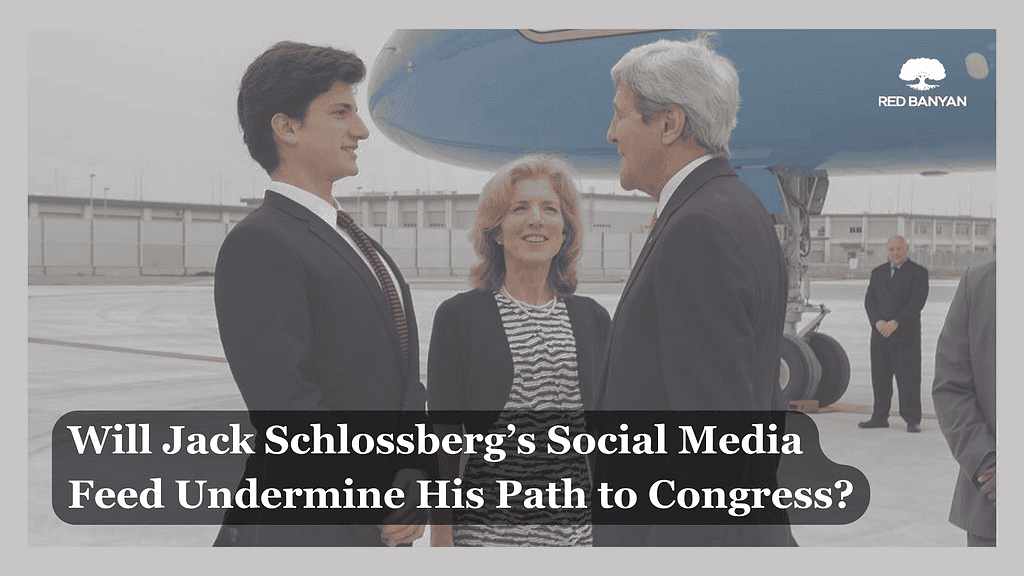
Jack Schlossberg, grandson of President John F. Kennedy, has recently
This fall, Dancing With the Stars continues its remarkable 19-year
Why the Gap KATSEYE Launch Became a Blueprint for Proactive
Taylor Swift’s Surprise Album Announcement Dominates Media Taylor Swift announced

Social Media and Reputation Management
Frequently Asked Questions

How does social media affect an organization’s reputation?

Social media can shape reputation by influencing how quickly information, criticism, praise, and public reactions spread. Organizations use social platforms to communicate directly with audiences, but inconsistent messaging, poor responses, or unmanaged conversations can quickly affect credibility and public perception.


What are the biggest social media risks for organizations?

Common risks include misinformation, negative comments, viral criticism, impersonation, poorly worded posts, inconsistent messaging, and delayed responses during a crisis. Because social media moves quickly, minor issues can attract broader attention if organizations are unprepared or communicate without a clear strategy.


Why does social media strategy matter for public relations?

Social media strategy helps organizations align digital communications with broader public relations goals. A clear strategy supports consistent messaging, audience engagement, media visibility, reputation management, and crisis preparedness while helping communications teams determine when to participate in conversations and how to respond appropriately.


How can organizations prepare for social media crises?

Organizations can prepare by establishing response protocols, monitoring key platforms, identifying approval procedures, training employees and spokespeople, and developing messaging for likely scenarios. Preparation helps communications teams respond more quickly and consistently when criticism, misinformation, or unexpected events gain attention online.

How Social Media Shapes Public Relations and Reputation

The Role of Social Media in Modern Communications

Social media gives organizations direct access to customers, employees, journalists, community members, and other important audiences. Platforms can be used to share information, build visibility, respond to questions, monitor public sentiment, and reinforce broader communications strategies. Social media also allows organizations to observe how audiences react to messages in real time. Because these conversations are public and easily shared, communication decisions can influence reputation well beyond an organization’s immediate followers. Effective social media management requires clear objectives, consistent messaging, audience awareness, and coordination with public relations and reputation strategies.


The Risks of Fast-Moving Online Conversations

Social media conversations can escalate rapidly, particularly when criticism, misinformation, or emotionally charged content begins spreading across multiple platforms. Organizations may feel pressure to respond immediately, but rushed posts can create new problems if facts are incomplete or messaging has not been reviewed. Silence can also allow inaccurate narratives to gain momentum. Effective social media communication requires balancing speed with accuracy and determining which conversations require direct engagement. Organizations should consider the source of the issue, audience concerns, reputational impact, and potential for further amplification before responding. A measured approach can reduce confusion and support more credible communication.


Red Banyan®’s Strategic Approach to Social Media

Red Banyan® approaches social media through strategic communications, reputation management, crisis preparedness, audience engagement, and the development of a consistent message. Social platforms can strengthen communication when organizations use them thoughtfully, but they also create reputational risks when messaging is reactive, inconsistent, or disconnected from broader objectives. Red Banyan® emphasizes transparency, accountability, human judgment, and Authentic Interaction® when developing communications for digital audiences. Depending on the situation, social media strategy may involve monitoring public conversations, responding to criticism, supporting media relations, managing a crisis, or strengthening ongoing stakeholder engagement. Effective social media communication should remain aligned with organizational priorities while preserving credibility, consistency, and public trust. To learn more, visit Red Banyan’s social media services page.